This Research Brief provides an overview of work achieved thus far. It includes research completed and outputs currently available.

The Research and Evidence Facility (REF)
The Research and Evidence Facility (REF) on migration in the Horn of Africa is a research consortium that has explored the dynamics, drivers and implications of mobility, migration and displacement in the Horn of Africa since 2016.-
 Taking Stock: Recent & Upcoming Research
 -
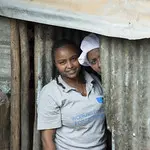
 Disability Inclusion of Refugees in Ethiopia and Recommendations for Future Practice
This policy brief presents the findings and recommendations from a study, on disability inclusion for refugees in Ethiopia.
-
 A review of disability inclusion for refugees in Ethiopia and recommendations for future practice
This rapid review synthesises information on the experiences, protection needs, barriers to and opportunities for providing protection for refugees living with disabilities in Ethiopia, the second largest refugee hosting country in Africa, and identifies key gaps and future priorities for policy and programming.
-
 How does technical and vocational education and training (TVET) influence dynamics of mobility and conflict? Lessons from the Horn of Africa
This study considers the assumptions underlying TVET and employment generation programmes funded by the European Union Emergency Trust Fund (EUTF) in Africa by examining the influence of these programmes on young people’s decisions around mobility and engagement in conflict.
-
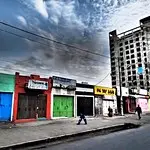 Rural–urban migration, urban informality and the challenges of promoting inclusive development in Ethiopia
Ethiopia is rapidly urbanising and migration from rural to urban areas plays a major role in this urbanisation.
-
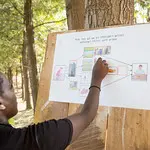 Land, climate change and internal migration among the Wolayta youth of southwest Ethiopia
The present study uses the Humbo Assisted Natural Regeneration Project – a collaboration between the Government of Ethiopia and development partners – to illustrate how external interventions in resource-poor and ecologically degraded areas can be opportunities not only for combatting climate change but also for creating climate-friendly, income-generating livelihoods.